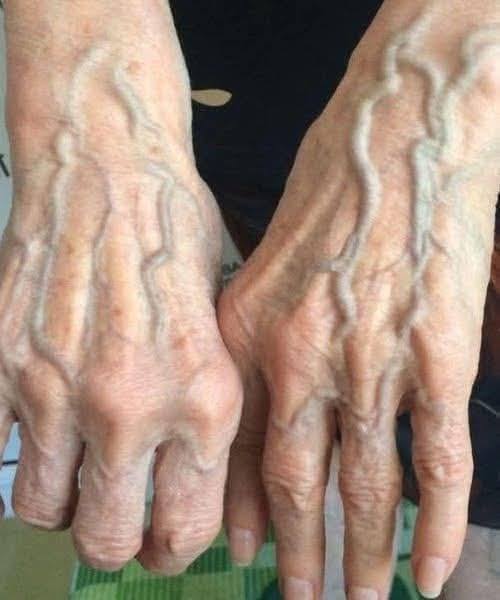
Visible veins, often referred to as “vascularity,” are influenced by several natural factors such as body fat, exercise, and even temperature. When body fat levels drop, especially around the arms or torso, the thin layer of fat that normally covers the veins decreases. This makes the veins appear more pronounced — which is why athletes and people with lean physiques often have more visible veins.
Physical activity also plays a major role. During exercise, blood flow increases, causing veins to expand temporarily. Over time, consistent strength training builds muscle and pushes veins closer to the skin’s surface. Hot weather can amplify this effect, as higher temperatures cause veins to dilate in an effort to help the body cool down.
Other influences include aging, genetics, and hydration. As the skin becomes thinner with age, veins naturally become more prominent. Some people simply inherit this trait from their parents, while hydration levels can also make a difference — well-hydrated individuals may notice their veins appearing fuller, while dehydration can flatten them.
Temporary changes can occur after intense workouts, hot showers, or sauna sessions, when increased circulation makes veins bulge briefly. In most cases, visible veins are a normal and healthy response to the body’s activity and environment. However, if you ever notice sudden swelling, pain, or discoloration in your veins, it’s important to consult a healthcare professional for evaluation.