When Sleeping on a Dirty Bed Becomes a Hidden Health Risk
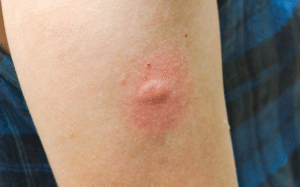
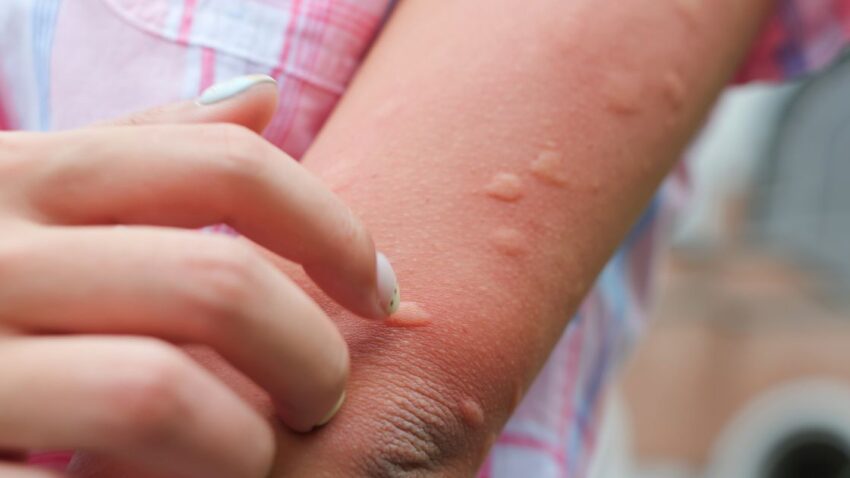
Many people underestimate how strongly their sleeping environment affects their health. A bed should be a safe and restorative place, yet a surprisingly common habit—sleeping on dirty sheets, mattresses, or pillows—can turn it into a breeding ground for unwanted insects, including cockroaches. While these pests are often associated with kitchens or storage areas, they can be drawn to unclean sleeping spaces and may come into direct contact with human skin. That contact can contribute to several dermatological issues, especially for individuals with sensitive skin.
This article explores why an unclean bed attracts pests, how cockroaches behave in domestic environments, and what types of skin problems can arise from prolonged exposure. It also offers practical steps to maintain a safe, hygienic sleeping space.
Why a Dirty Bed Attracts Cockroaches
A dirty bed doesn’t attract pests solely because of visible stains or clutter. The issue is more complex and rooted in biology, behavior, and environmental conditions.
Cockroaches search for warmth, moisture, and food sources. While a bed doesn’t seem like a kitchen substitute, human bodies naturally release sweat, oils, and small skin flakes during sleep. These organic materials can accumulate on unwashed sheets and mattresses. Over time, they become potential food particles for insects.
Humidity also plays a role. If someone sleeps in a poorly ventilated room or uses thick bedding that traps moisture, the mattress surface becomes slightly damp. Cockroaches are drawn to such environments, especially in warm climates.
Clutter around the bed magnifies the problem. Stacks of clothes, storage boxes, or food leftovers near sleeping areas offer hiding places where pests can reproduce undisturbed. Once comfortable, they may explore nearby surfaces—including the bed—at night.
While cockroaches do not seek out humans intentionally, an unclean bed creates favorable conditions for accidental contact.
How Cockroaches Behave in Indoor Spaces
Understanding how cockroaches move helps explain why they might crawl onto a bed. Their behavior is consistent across households:
They prefer nighttime activity. This increases the chance of crawling onto sleeping individuals who remain still for long periods.
They explore surfaces using scent and temperature cues. Human skin emits mild odors and warmth, both of which can be detected by insects.
They hide during the day. Mattresses with tears, bedframes with cracks, or piles of laundry can serve as daytime shelters.
It’s important to note that cockroaches do not target people deliberately. However, when the conditions around a bed are unclean, encounters may occur.
Possible Skin Problems Linked to Contact With Cockroaches
Any discussion of dermatological risks must remain medically accurate and non-sensational. Cockroaches themselves are not inherently dangerous in brief contact, but they can leave behind substances that irritate human skin.
Irritation From Allergens